Buying an engagement ring involves many decisions, and it can get overwhelming. From design and diamonds to budget and sizing, each step influences the final choice. It is also one of those decisions where you want to get it right, because the ring becomes part of everyday life.
That is where clarity helps. Instead of trying to figure everything out at once, it's easier to approach each choice step by step, with a clear sense of what matters and what can be set aside.
Here’s how to choose an engagement ring in clear, practical steps. The goal is to help you make each decision with confidence so the final ring fits her style, her routine, and how she will wear it every day.
Start with who you’re choosing for
The most useful decisions come from understanding how she already wears jewelry. Look at what she reaches for daily. Does she prefer minimal pieces or something defined? Does she wear rings often, or does she keep her look simple?
These details shape what will work long term. Lifestyle also plays a role. If her routine involves frequent hand use, lower-profile designs and secure settings work better. Climate is relevant as seasonal changes can affect comfort and wear.
Understanding ring styles
Ring style defines the overall look before you even consider the diamond. Solitaire rings keep the focus on a single center stone. They are clean, direct, and easy to pair with different bands later. Halo styles surround the center stone with smaller diamonds, adding visual presence.
Three-stone rings introduce balance, with side stones framing the center. This creates a structured appearance. Minimal bands keep everything understated, focusing on proportion and clean lines. When comparing engagement ring styles, the goal is to notice how each design changes the ring’s presence on the hand. This step narrows down the direction before moving into finer details.
The diamond shape strongly influences how the ring looks. Round diamonds are balanced and consistent in appearance. Oval shapes create a longer outline on the finger. Cushion cuts have softer edges and a fuller look, while emerald cuts bring a structured, step-cut finish.
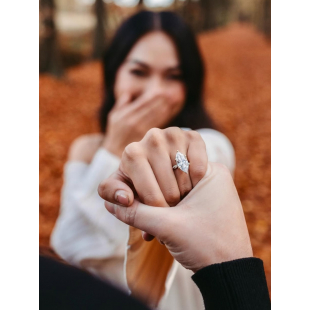
Marquise shapes stretch across the finger, creating a distinct outline. Our Colombes highlights this particularly well. Its elongated marquise diamond is held in a two-prong setting that keeps the shape open and uninterrupted, allowing the full length of the stone to stand out. The pointed ends draw the eye across the finger, while the minimal setting keeps the focus on the diamond itself.
These diamond shapes for engagement rings change both size perception and proportion. A longer shape can make the stone appear larger, while a compact shape creates a sense of density. Choosing the shape early helps guide the rest of the design, including setting and band proportions.
The 4Cs, simplified for buying decisions
Knowing the 4Cs is useful when choosing a diamond engagement ring. Cut has the biggest impact on how the diamond reflects light. A well-cut stone stands out immediately, even at smaller sizes. Colour influences how white the diamond appears, though differences become subtle once set.
Clarity refers to internal marks, but most are not visible to the eye at common grades. Carat determines size, though it should be balanced with cut and proportions. You can refer to our diamond engagement ring guide to get more details. Prioritising cut and overall appearance usually yields better results than focusing solely on specifications.
Setting & structure
The setting determines how the diamond is held and how it sits on the hand. Prong settings lift the diamond slightly, making it more visible. Bezel settings surround the stone, offering protection and a clean outline. Channel settings place stones within the band, while pavé introduces smaller diamonds along the surface.
These engagement ring settings change both appearance and practicality. A lower setting works better for active routines, while a higher setting draws attention to the stone. This decision should align with how the ring will be worn every day.
Metal choices
Metal choice influences both appearance and durability. Platinum is strong and keeps its natural white color over time. White gold offers a similar look but requires occasional maintenance. Yellow gold brings warmth, while rose gold adds a softer tone.
In Canada, colder weather can make metal feel different on the hand, especially with wider bands. This makes comfort and fit noticeable. Understanding engagement ring metal types helps narrow down what works best with her existing jewelry and daily wear.
Planning your finances for the right ring
Setting a budget should be straightforward. It needs to reflect what you are comfortable spending. An engagement ring budget usually splits between the diamond and the setting. If the focus is on the stone, allocate more there.
If design plays a bigger role, balance both. Simpler designs can keep costs controlled while still looking strong. There is no fixed formula, only what works for your priorities.
Ring size, fit & comfort
Getting the size right is essential. If the size is unknown, a temporary placeholder or resizing option can help. Band width also affects fit. Wider bands sit tighter, so they may require a slight size adjustment.
Seasonal changes in Canada can influence finger size. Warmer months can lead to swollen fingers that give a tight feel, while winters offer a slightly looser fit. A ring size guide ensures the ring remains comfortable throughout the year.
Where to buy in Canada
Choosing where to buy is part of the decision process. Online retailers offer flexibility and customization, especially when exploring a custom engagement ring. In-store options provide the benefit of seeing the ring in person.
Certification is essential. Look for recognized grading reports that confirm the diamond’s quality. Return policies and warranties also play an important role in long-term confidence. When comparing engagement rings in Canada, the focus should stay on transparency, quality, and flexibility.
Final checks before you decide
Does the ring match her style and daily wear?
Is the design practical for how she uses her hands?
Are you confident in the diamond and setting quality?
This step brings together everything covered in this engagement ring buying guide.
What to look for before you decide
Knowing how to choose the right engagement ring comes down to clarity. The best ring is not defined by trends or expectations, but by how well it fits the person wearing it.
From style and shape to metal and fit, each choice builds toward a ring that will continue to look right over time. At Austen & Blake, this approach shapes every design, focusing on structure, balance, and everyday wear so the ring holds its place long after the moment it is given.


 By Kat Hill

 link copied




 Request an appointment

Buying an engagement ring involves many decisions, and it can get overwhelming. From design and diamonds to budget and sizing, each step influences the final choice. It is also one of those decisions where you want to get it right, because the ring becomes part of everyday life.
That is where clarity helps. Instead of trying to figure everything out at once, it's easier to approach each choice step by step, with a clear sense of what matters and what can be set aside.
Here’s how to choose an engagement ring in clear, practical steps. The goal is to help you make each decision with confidence so the final ring fits her style, her routine, and how she will wear it every day.
Start with who you’re choosing for
The most useful decisions come from understanding how she already wears jewelry. Look at what she reaches for daily. Does she prefer minimal pieces or something defined? Does she wear rings often, or does she keep her look simple?
These details shape what will work long term. Lifestyle also plays a role. If her routine involves frequent hand use, lower-profile designs and secure settings work better. Climate is relevant as seasonal changes can affect comfort and wear.
Understanding ring styles
Ring style defines the overall look before you even consider the diamond. Solitaire rings keep the focus on a single center stone. They are clean, direct, and easy to pair with different bands later. Halo styles surround the center stone with smaller diamonds, adding visual presence.
Three-stone rings introduce balance, with side stones framing the center. This creates a structured appearance. Minimal bands keep everything understated, focusing on proportion and clean lines. When comparing engagement ring styles, the goal is to notice how each design changes the ring’s presence on the hand. This step narrows down the direction before moving into finer details.
Choosing the diamond shape
The diamond shape strongly influences how the ring looks. Round diamonds are balanced and consistent in appearance. Oval shapes create a longer outline on the finger. Cushion cuts have softer edges and a fuller look, while emerald cuts bring a structured, step-cut finish.
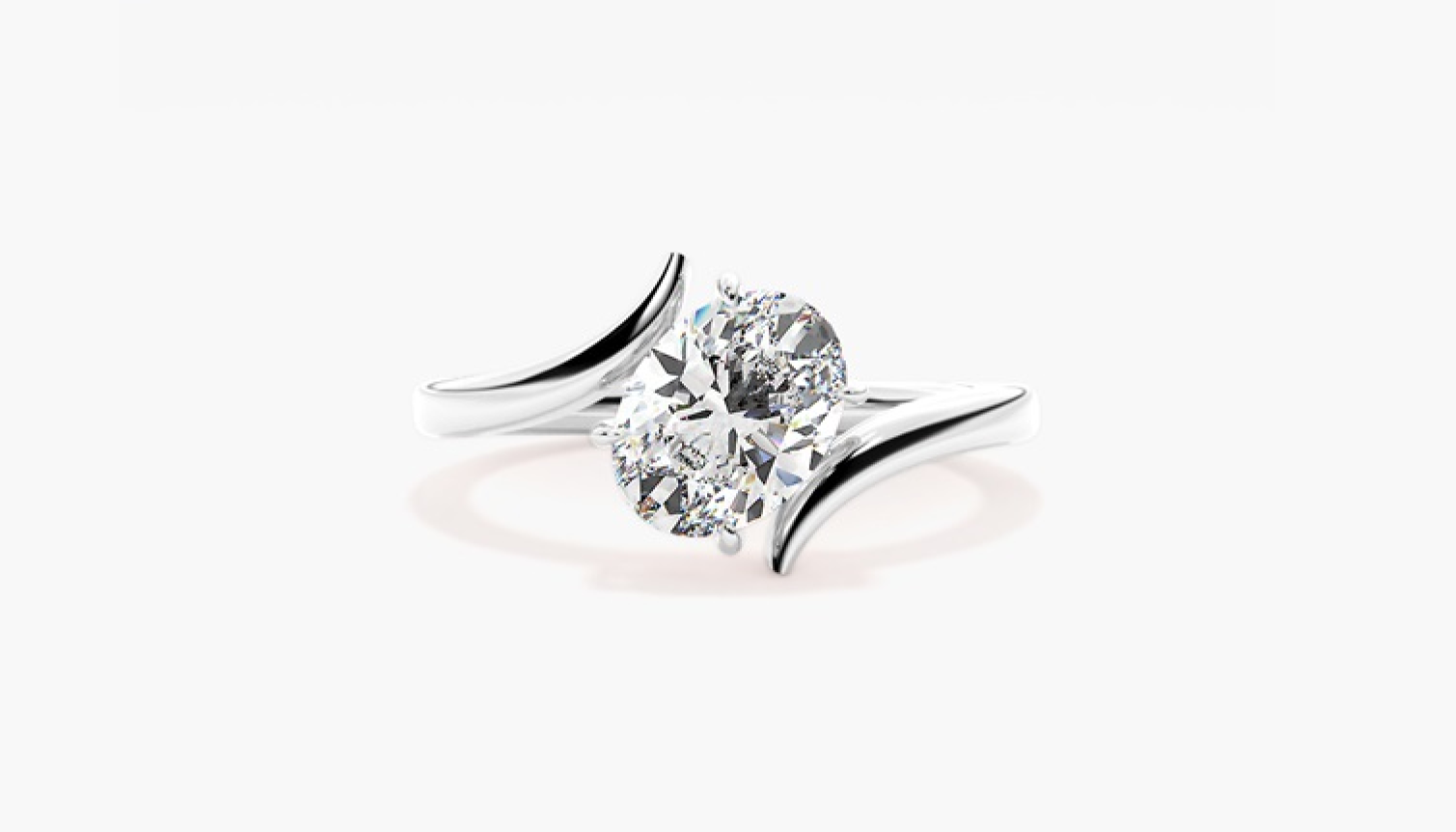
Marquise shapes stretch across the finger, creating a distinct outline. Our Colombes highlights this particularly well. Its elongated marquise diamond is held in a two-prong setting that keeps the shape open and uninterrupted, allowing the full length of the stone to stand out. The pointed ends draw the eye across the finger, while the minimal setting keeps the focus on the diamond itself.
These diamond shapes for engagement rings change both size perception and proportion. A longer shape can make the stone appear larger, while a compact shape creates a sense of density. Choosing the shape early helps guide the rest of the design, including setting and band proportions.
The 4Cs, simplified for buying decisions
Knowing the 4Cs is useful when choosing a diamond engagement ring. Cut has the biggest impact on how the diamond reflects light. A well-cut stone stands out immediately, even at smaller sizes. Colour influences how white the diamond appears, though differences become subtle once set.
Clarity refers to internal marks, but most are not visible to the eye at common grades. Carat determines size, though it should be balanced with cut and proportions. You can refer to our diamond engagement ring guide to get more details. Prioritising cut and overall appearance usually yields better results than focusing solely on specifications.
Setting & structure
The setting determines how the diamond is held and how it sits on the hand. Prong settings lift the diamond slightly, making it more visible. Bezel settings surround the stone, offering protection and a clean outline. Channel settings place stones within the band, while pavé introduces smaller diamonds along the surface.
These engagement ring settings change both appearance and practicality. A lower setting works better for active routines, while a higher setting draws attention to the stone. This decision should align with how the ring will be worn every day.
Metal choices
Metal choice influences both appearance and durability. Platinum is strong and keeps its natural white color over time. White gold offers a similar look but requires occasional maintenance. Yellow gold brings warmth, while rose gold adds a softer tone.
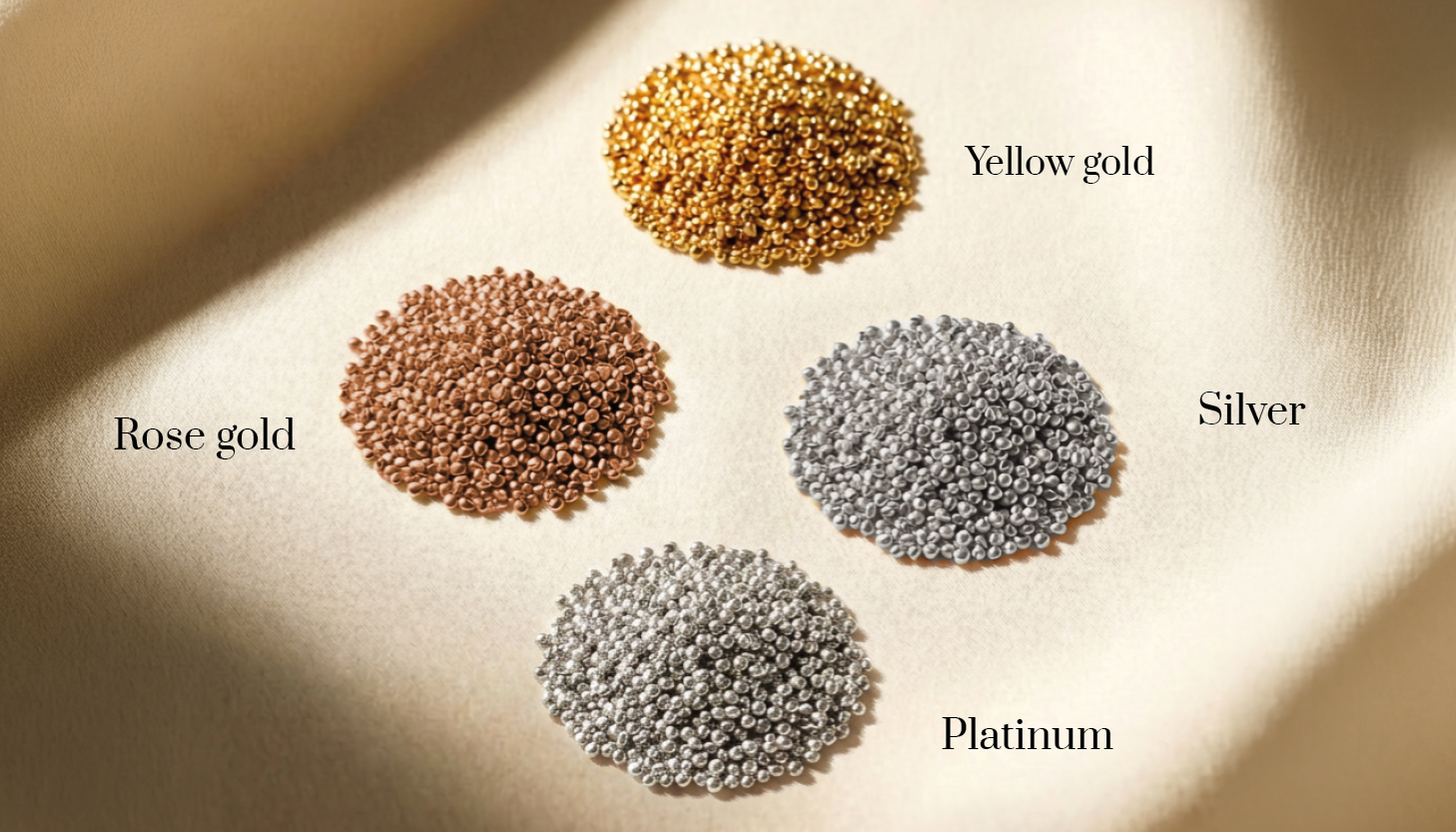
In Canada, colder weather can make metal feel different on the hand, especially with wider bands. This makes comfort and fit noticeable. Understanding engagement ring metal types helps narrow down what works best with her existing jewelry and daily wear.
Planning your finances for the right ring
Setting a budget should be straightforward. It needs to reflect what you are comfortable spending. An engagement ring budget usually splits between the diamond and the setting. If the focus is on the stone, allocate more there.
If design plays a bigger role, balance both. Simpler designs can keep costs controlled while still looking strong. There is no fixed formula, only what works for your priorities.
Ring size, fit & comfort
Getting the size right is essential. If the size is unknown, a temporary placeholder or resizing option can help. Band width also affects fit. Wider bands sit tighter, so they may require a slight size adjustment.
Seasonal changes in Canada can influence finger size. Warmer months can lead to swollen fingers that give a tight feel, while winters offer a slightly looser fit. A ring size guide ensures the ring remains comfortable throughout the year.
Where to buy in Canada
Choosing where to buy is part of the decision process. Online retailers offer flexibility and customization, especially when exploring a custom engagement ring. In-store options provide the benefit of seeing the ring in person.
Certification is essential. Look for recognized grading reports that confirm the diamond’s quality. Return policies and warranties also play an important role in long-term confidence. When comparing engagement rings in Canada, the focus should stay on transparency, quality, and flexibility.
Final checks before you decide
This step brings together everything covered in this engagement ring buying guide.
What to look for before you decide
Knowing how to choose the right engagement ring comes down to clarity. The best ring is not defined by trends or expectations, but by how well it fits the person wearing it.
From style and shape to metal and fit, each choice builds toward a ring that will continue to look right over time. At Austen & Blake, this approach shapes every design, focusing on structure, balance, and everyday wear so the ring holds its place long after the moment it is given.